Taste Is Just a Trend that Endured
Every few years, a new set of objects emerges as the markers of taste. A Supreme hoodie. A Gucci belt. Yeezy shoes. A Longchamp bag. To own the right item is to signal not just style or status, but an awareness of what is currently recognized as desirable.
But these markers rarely last. In a culture driven by constant consumption, new objects quickly replace old ones, resetting the standard for what counts as tasteful. What once signals taste soon becomes tied to a specific moment, something overexposed or predictable. The Gucci belt becomes “so 2016,” and what once felt like taste begins to read as trend.
And yet, there are other things that seem to exist outside of this cycle. A little black dress. A tailored suit. Pieces considered tasteful decades ago, and that continue to hold that status today. The idea of something “classic.” They are often framed as timeless, as if their value remains constant amid changing trends.
The distinction seems clear: some things are trends, while others signify taste.
What remains consistent is not the objects themselves, but the way they are carried. While what is considered taste shifts over time, the expectation that it should appear effortless does not.
Most of what we now consider timeless was once new. What we call a “classic” did not emerge neutrally or inevitably. It was adopted, repeated, and reinforced over time until it overcame the appearance of novelty. Classics are not outside of trends, but what remains after certain trends have been repeated long enough to feel natural.
This distinction is less about the aesthetic itself and more about time and access. What separates the two is not what is worn, but who can maintain an aesthetic over time in a way that makes it appear natural.
This is where the language of “old money” versus “new money” taste becomes useful. Old-money aesthetics are often described as understated, effortless, and removed from the volatility of trends. Quiet luxury, or “stealth wealth,” embodies this approach, emphasizing high-quality materials and understated design while avoiding overt branding. Brands like Loro Piana, Brunello Cucinelli, and Bottega Veneta are often recognized only by those familiar with them, reinforcing an “if you know, you know” logic.
New money, by contrast, is associated with louder styles, visibility, and a closer alignment with what is currently popular. This difference is less about aesthetic quality than about time and access, and about who can sustain a particular look long enough for it to feel established. Where quiet luxury relies on subtlety, logomania operates through visibility, using recognizable branding to signal status more directly.
What we call “timeless” taste often depends on repetition across generations. It requires not only preference, but the resources to maintain that preference until it feels natural rather than deliberate. Taste, in this sense, begins to overlap with class, not just as an influence, but as a condition that shapes what comes to be seen as taste in the first place.
As Pierre Bourdieu argues, taste is not simply a matter of individual preference, but of cultural capital. It is shaped by what one is exposed to and what one can continue to access. What appears effortless or “classy” often depends on the ability to sustain certain aesthetics over time. Classiness, then, is not an inherent quality, but a label applied to aesthetics that have been stabilized, recognized, and associated with social legitimacy.
This dynamic becomes especially apparent in how wealth is performed online, particularly within what is often referred to as “RichTok,” a corner of social media centered on displays of luxury and access. Some influencers build their content around visibility, posting luxury hauls, unboxings, and outfit photos filled with recognizable brands. Wealth is made explicit, something to be shown, emphasized, and immediately understood.

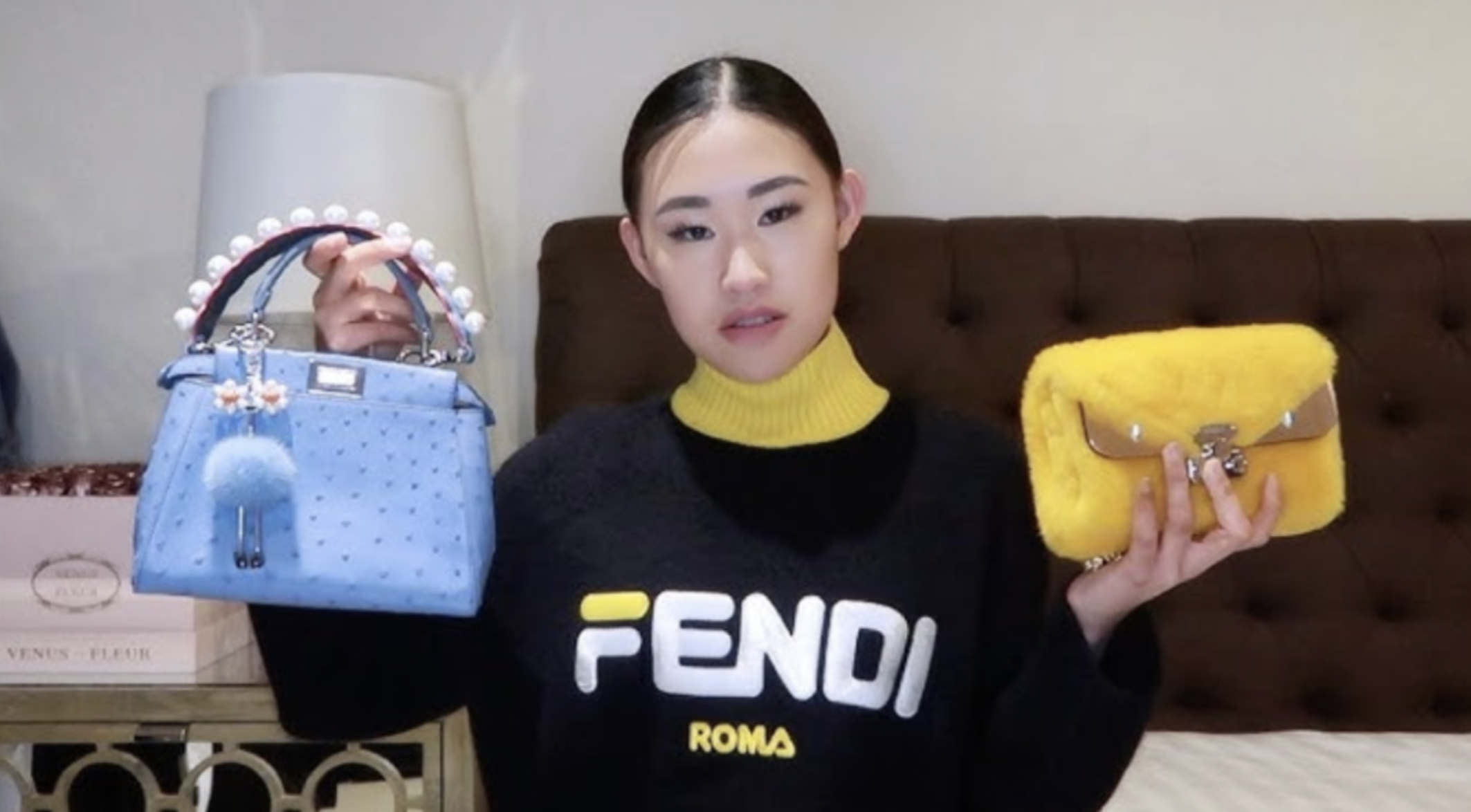
“Richtok” creators Jamie Xie and Mei Leung
At the same time, another type of influencer operates very differently, especially evident in the rise of the effortless “it girl” across platforms like Pinterest and TikTok. Figures like Lily Chee and Olivia Jade rarely rely on visible branding, yet their wealth is just as apparent. It appears through their lifestyle, an understated indulgence, rather than through explicit display. They are constantly traveling, attending exclusive events, and moving through spaces that signal access rather than ownership. Nothing is explicitly stated, yet everything is understood. This shift toward subtlety reflects a broader change in the performance of wealth, where what matters is not the display of ownership but the ability to create the allure of exclusivity—without effort.
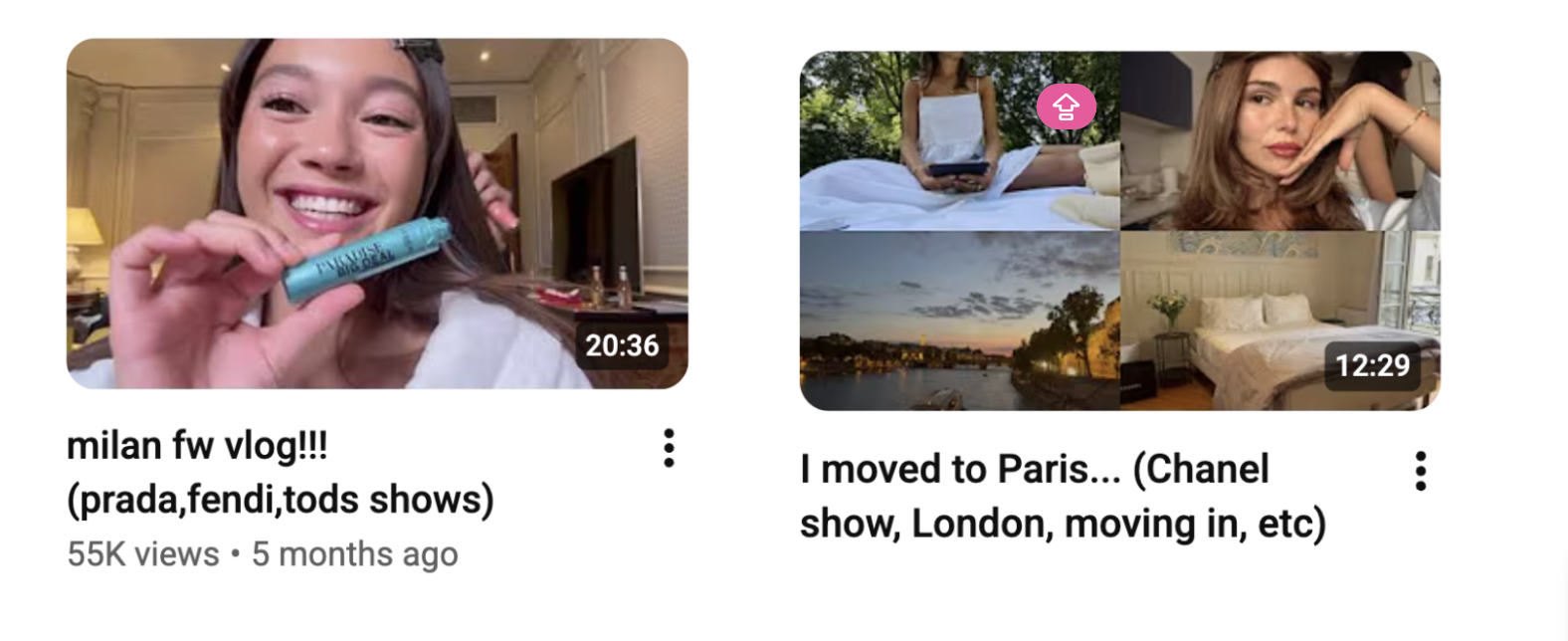
YouTube videos uploaded by influencers Lily Chee and Olivia Jade
What stands out is that the difference is not simply in the amount of wealth present, but in how it is read. The first form is more visible and closely aligned with what is currently popular, and therefore more vulnerable to shifts in trend. The second is more likely to be described as tasteful or “classy,” largely because it appears effortless rather than constructed. Both rely on forms of presentation, yet they are interpreted differently depending on how they are carried.
What is recognized as taste, then, is not only about what is shown, but about how it is presented and the conditions under which it is recognized. This becomes especially clear when those conditions shift over time. It is possible, in this sense, to have the right taste at the wrong time.
A similar shift can be seen in the resurgence of Y2K fashion and the rise of thrifting. A few years ago, when the trend first returned, I found myself digging through my mom’s closet, looking for pieces that suddenly felt relevant again. Vintage Guess tops, denim skirts with studs, items that had once been considered outdated or even tacky. My mom found it almost humorous. To her, these were things that had already passed their moment. They belonged to a different time and had no reason to return.
This tension is also visible in figures who adopted these aesthetics earlier. Rowan Blanchard, for instance, was experimenting with Y2K-inspired styling as early as 2018 and 2019, well before its resurgence. At a time when trends like the VSCO girl aesthetic, defined by scrunchies and oversized T-shirts, dominated, Blanchard gravitated toward vintage clothing and thrifted pieces. Her style was often described as “strange” or “provocative.”
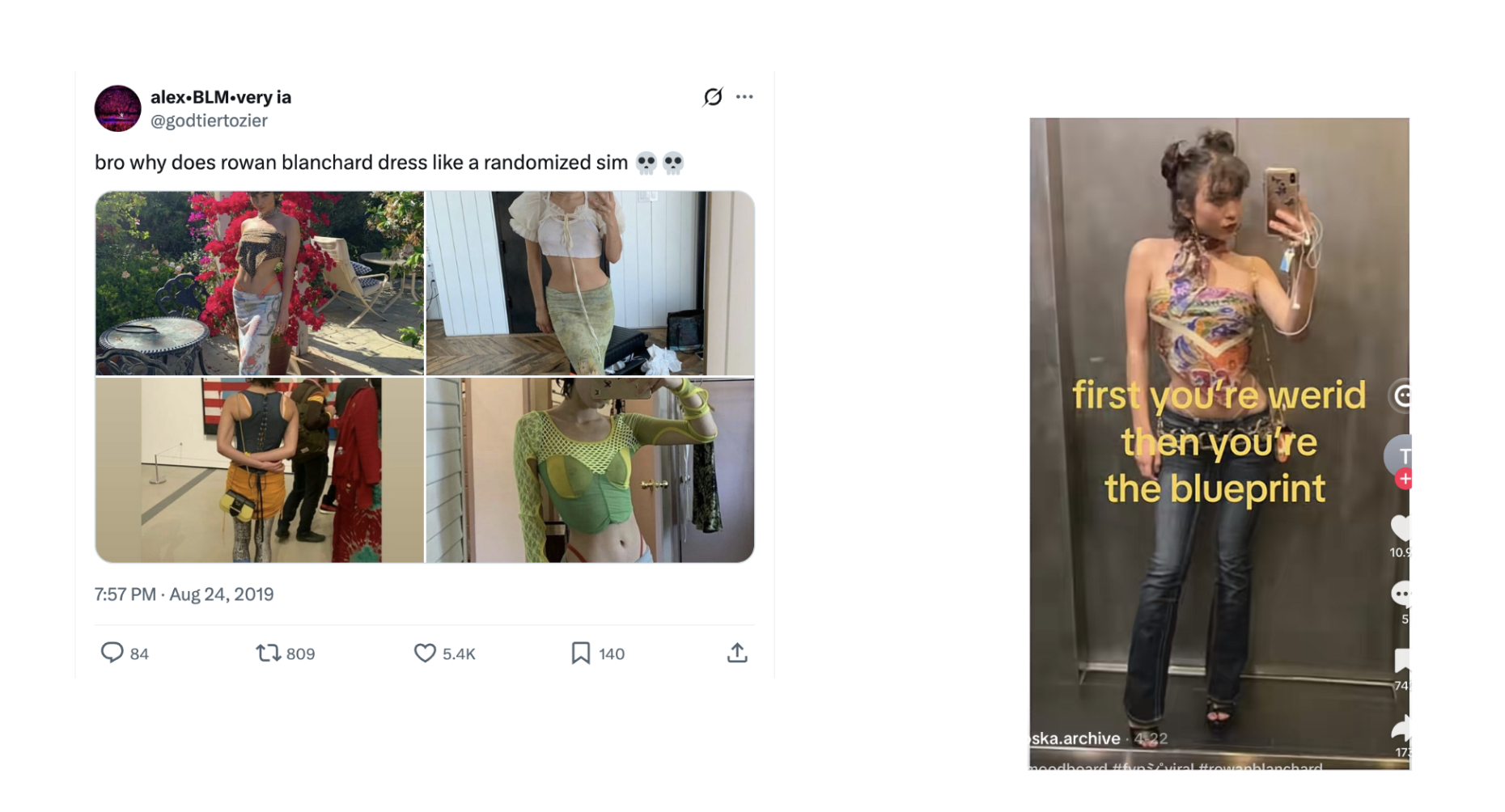
Resurfaced tweet in 2019 by @godtiertozier Tiktok
In retrospect, however, her aesthetic aligns closely with what would later become widely popular. The shift suggests that the aesthetic itself was not the issue, but its timing.
With reframing, the same elements are no longer seen in the same way. The forms themselves remain unchanged, yet they begin to be read differently. What had once been dismissed becomes desirable, not because the objects have improved, but because the conditions of perception have shifted. The meaning of the aesthetic was reconstructed through timing and recognition. This dynamic extends beyond fashion, appearing in what we call “classic” more broadly, from beauty standards to film, music, and literature, where recognition is shaped and reshaped over time in similar ways.
Taken together, these examples complicate the idea of taste as something fixed or inherently stable.
Rather than existing outside of trend, taste emerges from it. What is considered desirable or “timeless” is shaped through repetition, recognition, and the conditions in which it is seen.
At the same time, what remains consistent is not the aesthetic itself, but the way it is carried. Across changing trends, the expectation persists that taste should appear effortless, natural, and unforced. What is described as “classy” is less about inherent quality than about the ability to sustain an aesthetic long enough for it to feel stable, and to present it without appearing to try.
Taste, then, is not simply about what is chosen, but about when it is recognized, how it is presented, and who has the ability to make it appear effortless. It is shaped by timing, access, and perception as much as by the object itself.
What we call taste is not something we possess, but something that only becomes visible under the right conditions, and disappears just as quickly when those conditions change.
